
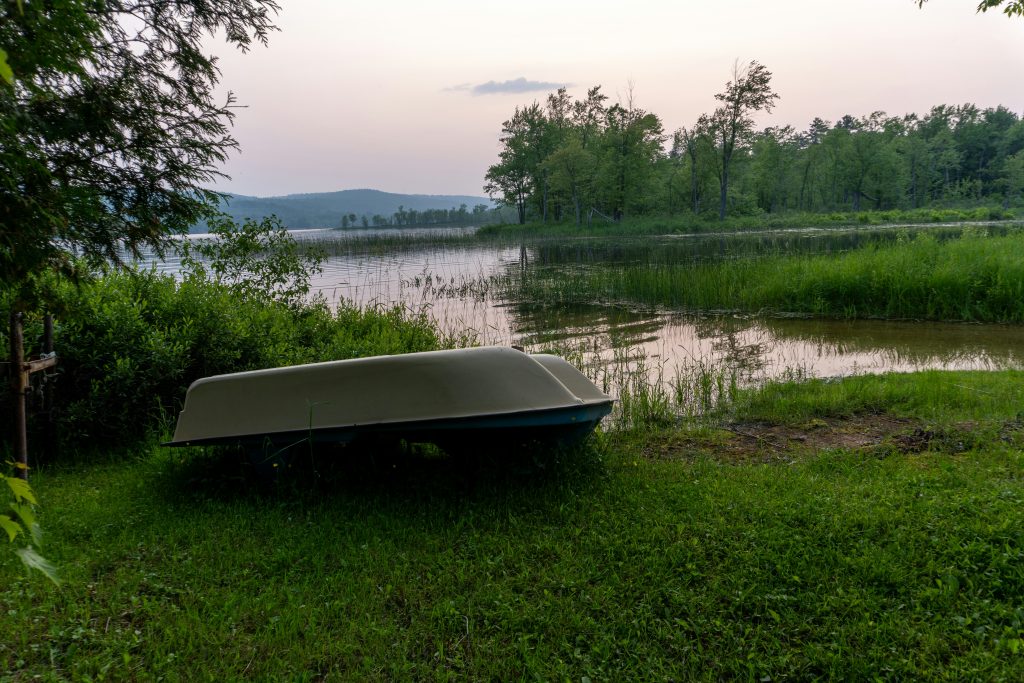
Boat Ramps on National Forest Land: What You Need to Know
Learn how boat ramps on national forest land differ from other launches, including access roads, fees, seasonal rules, and facilities.

Learn how boat ramps on national forest land differ from other launches, including access roads, fees, seasonal rules, and facilities.
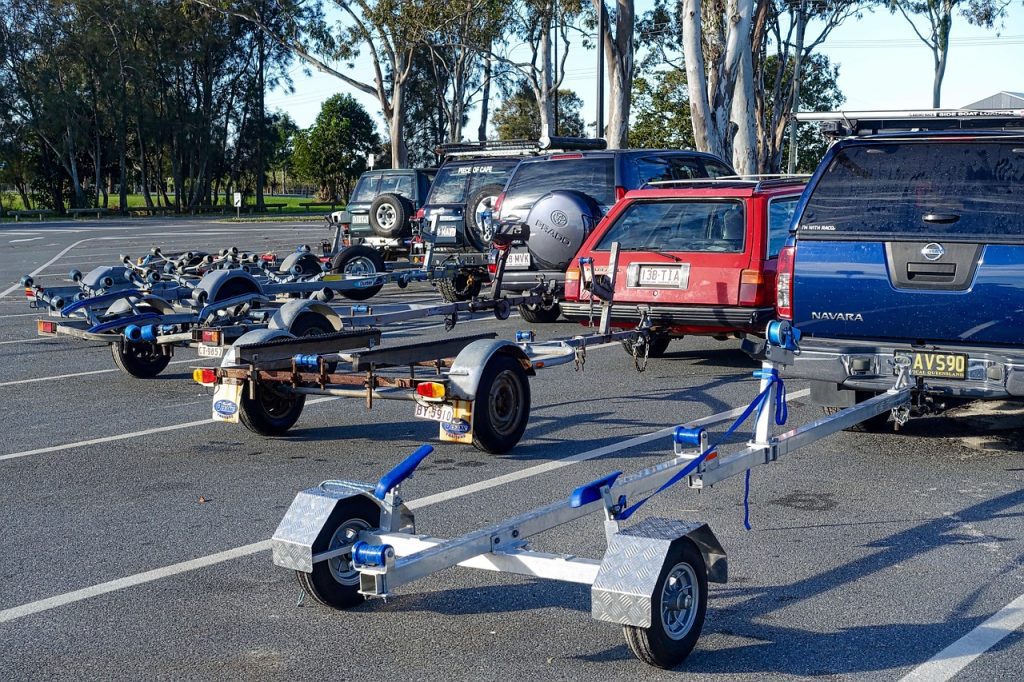
Prepare your boat trailer for the season with checks for tires, bearings, brakes, lights, straps, and corrosion.
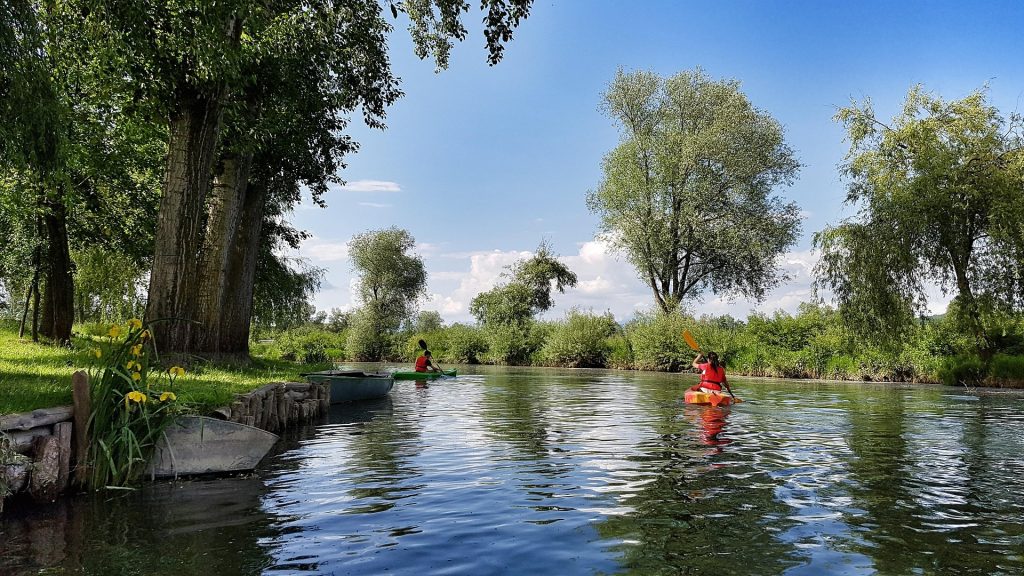
Compare paved, gravel, and natural launch sites for kayaks and small boats, with tips on access, carrying distance, and water conditions.
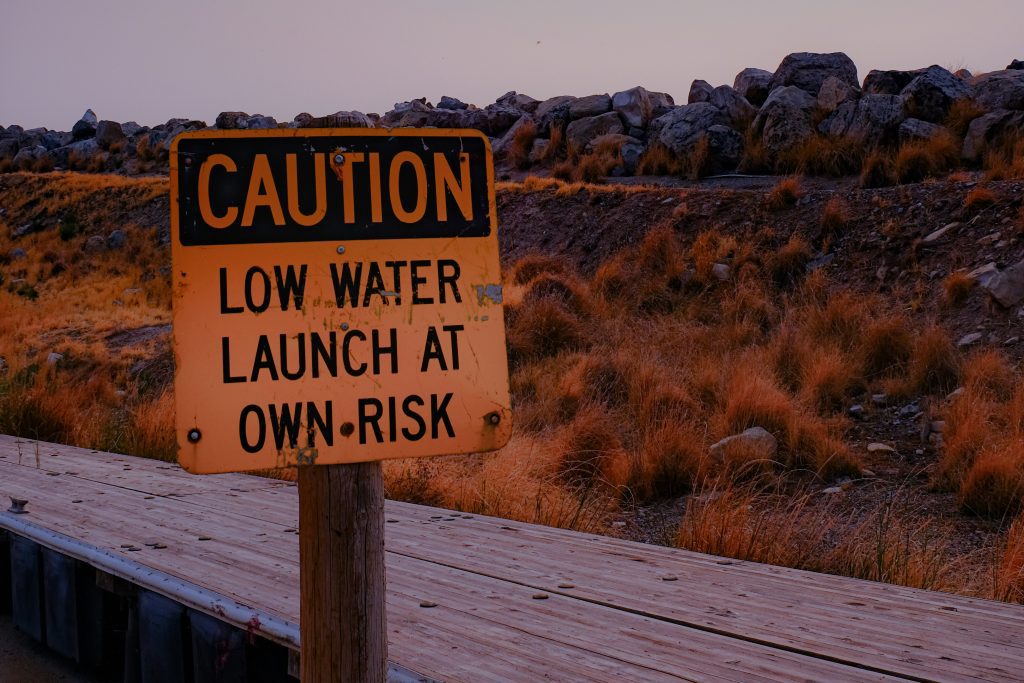
Know what to do when a boat ramp is closed or damaged, including finding alternate access and verifying conditions before leaving home.
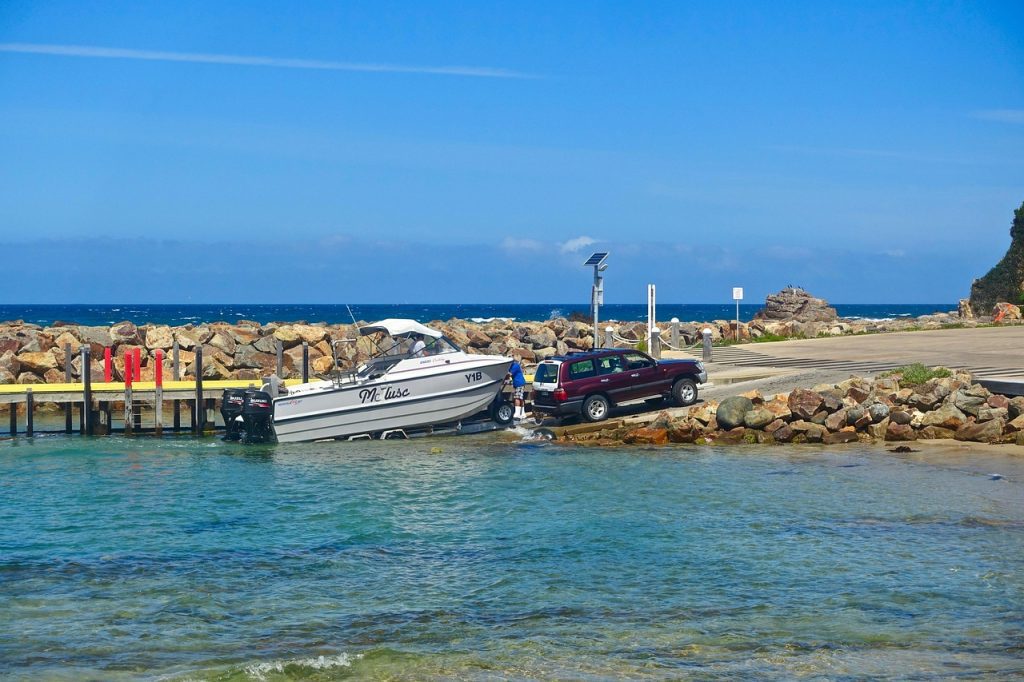
Learn how to launch a boat alone using safer staging, dock lines, vehicle positioning, and retrieval planning.
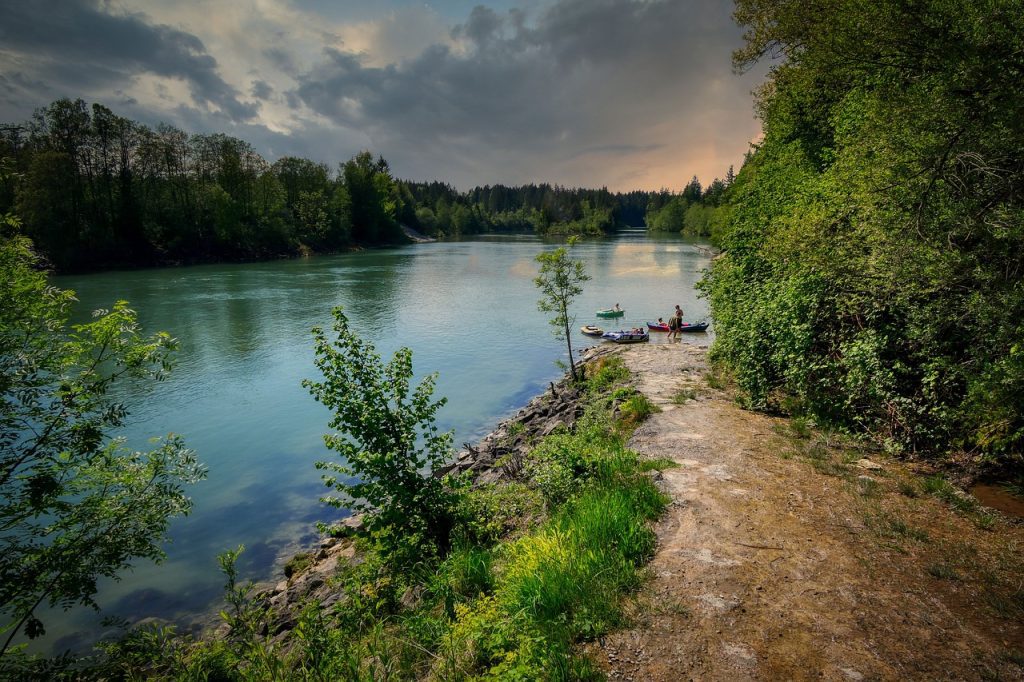
Get your boat ready for spring ramps with a practical review of water levels, seasonal closures, trailer checks, and changing conditions.
Understand why fishing license rules differ by state, how residency affects requirements, and what to verify before a fishing trip.
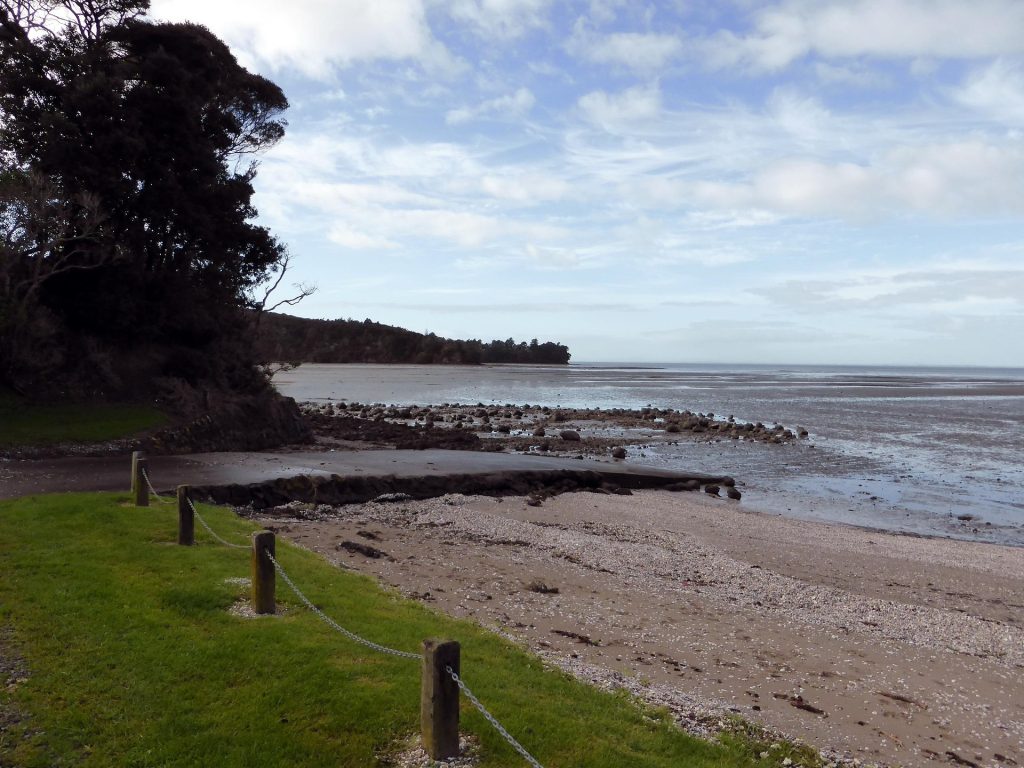
Find out why boat ramps charge fees, where free launches are available, and when paying for better parking or facilities may be worthwhile.
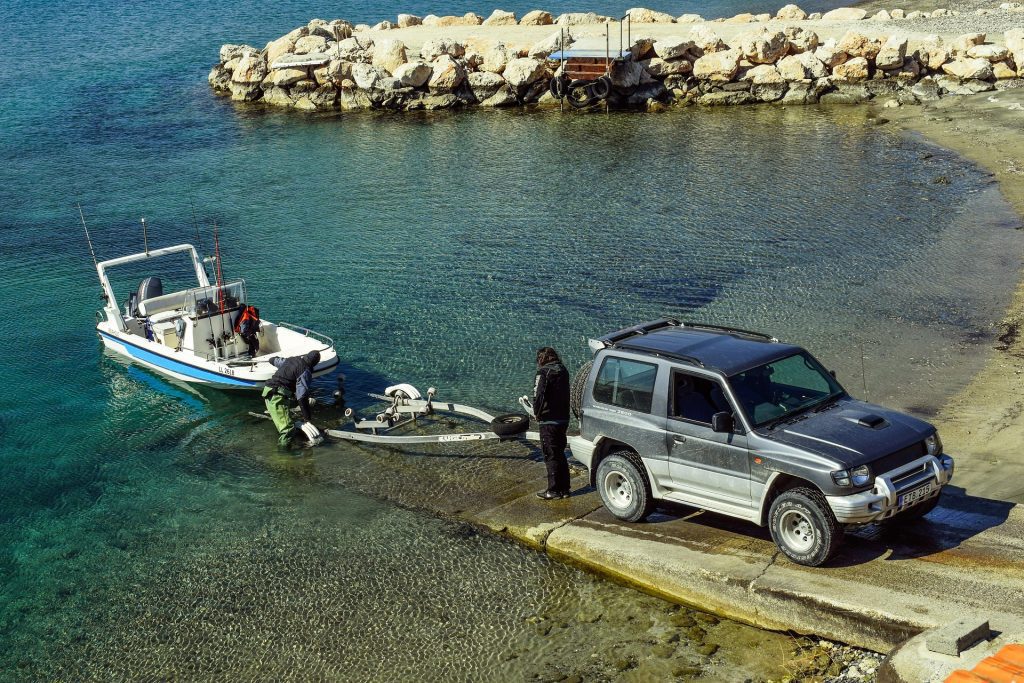
Learn how to back a boat trailer with clear positioning tips, steering practice, mirror use, and advice for crowded ramps.
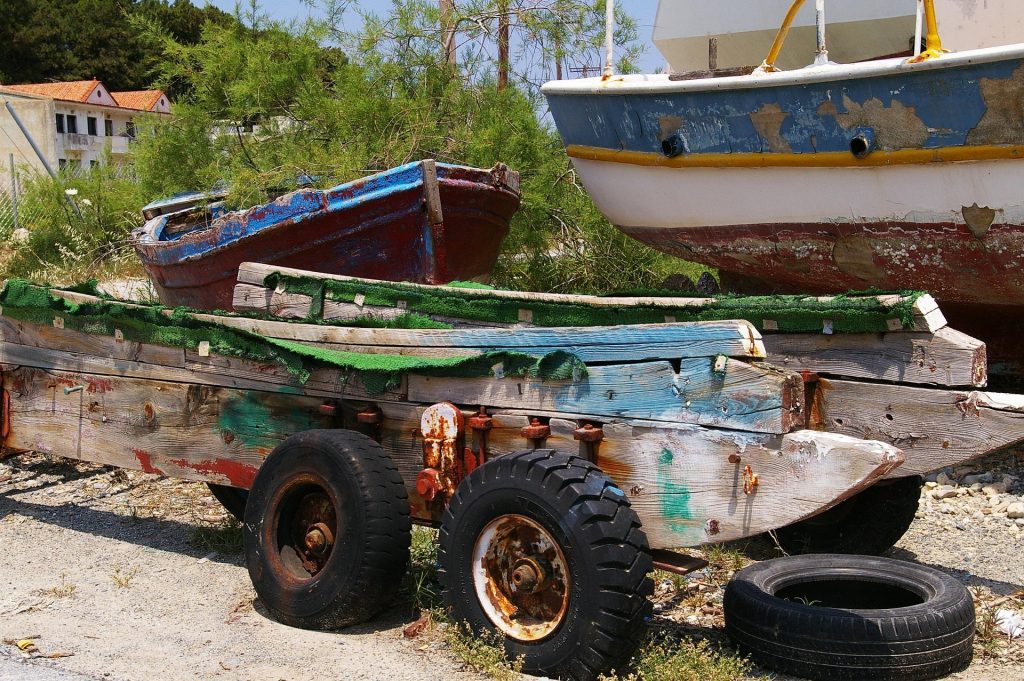
Compare boat trailer types, construction, capacity, and features so you can choose equipment that fits your boat and towing needs.
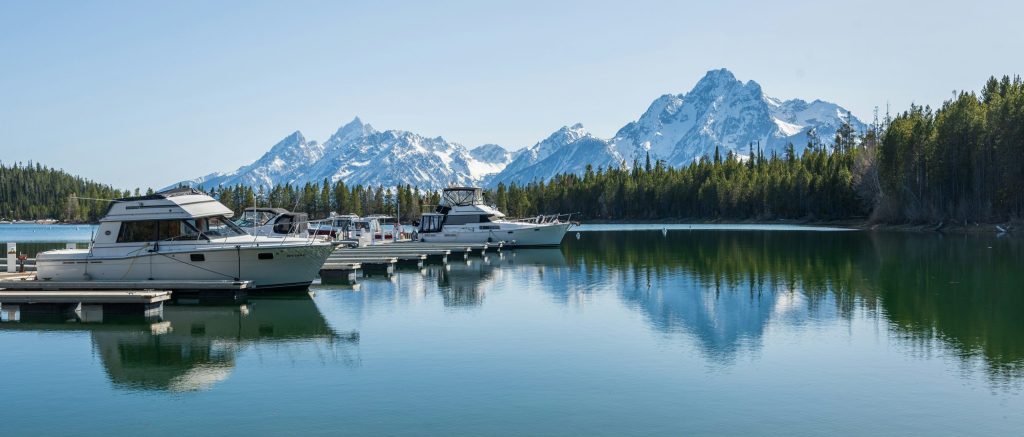
Plan Wyoming launches on mountain lakes, the Green River, the Shoshone River, and southern reservoirs, with seasonal access tips.
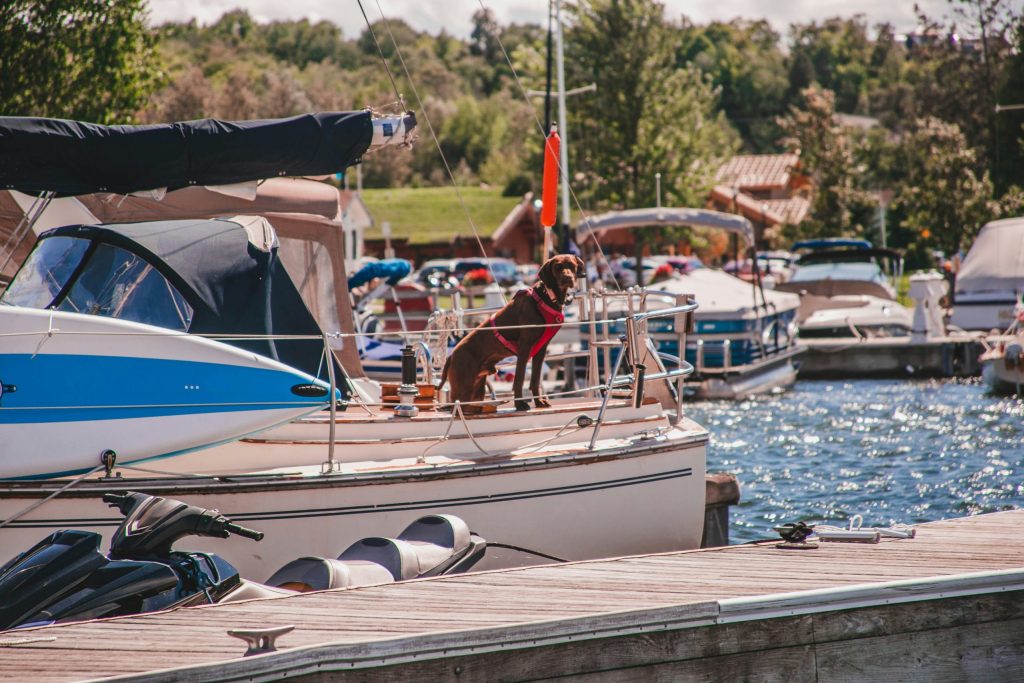
Compare Wisconsin ramps along Lake Michigan, Lake Superior, northwoods lakes, and Mississippi River backwaters.
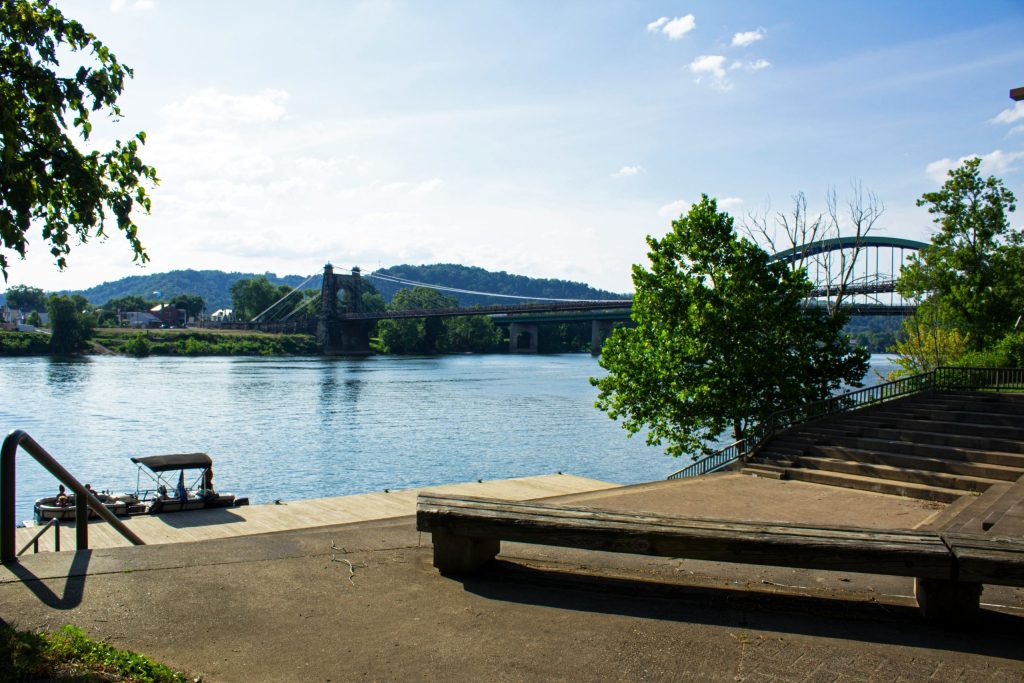
Find West Virginia launches on the Ohio, Kanawha, New, and Potomac river systems and lakes.
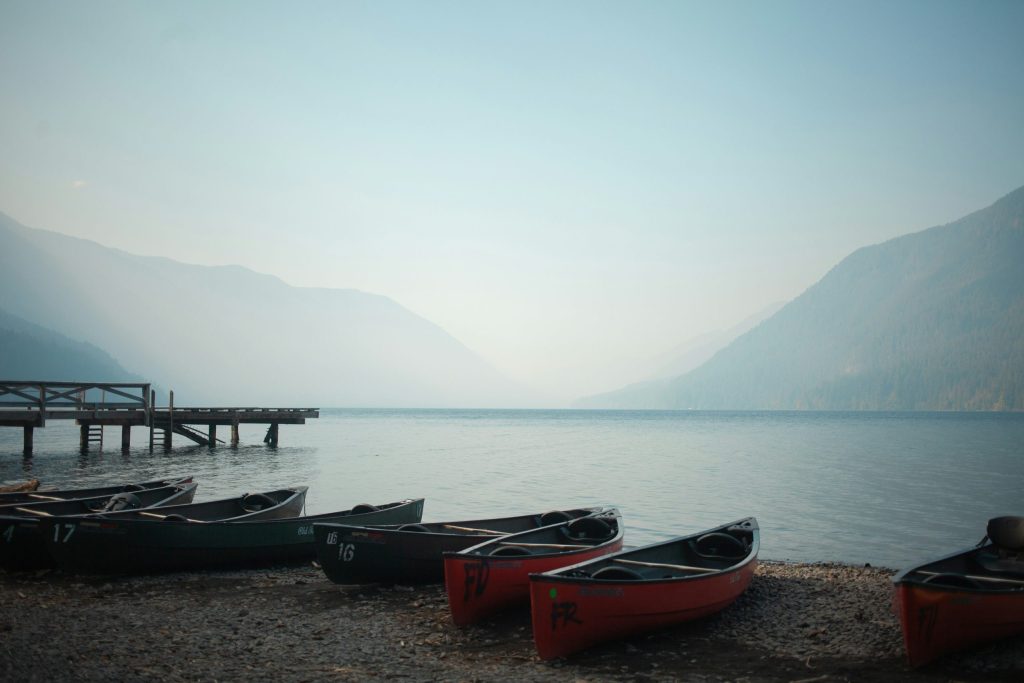
Plan Washington boat launches around Puget Sound, the Columbia River, Cascade reservoirs, and mountain lakes.
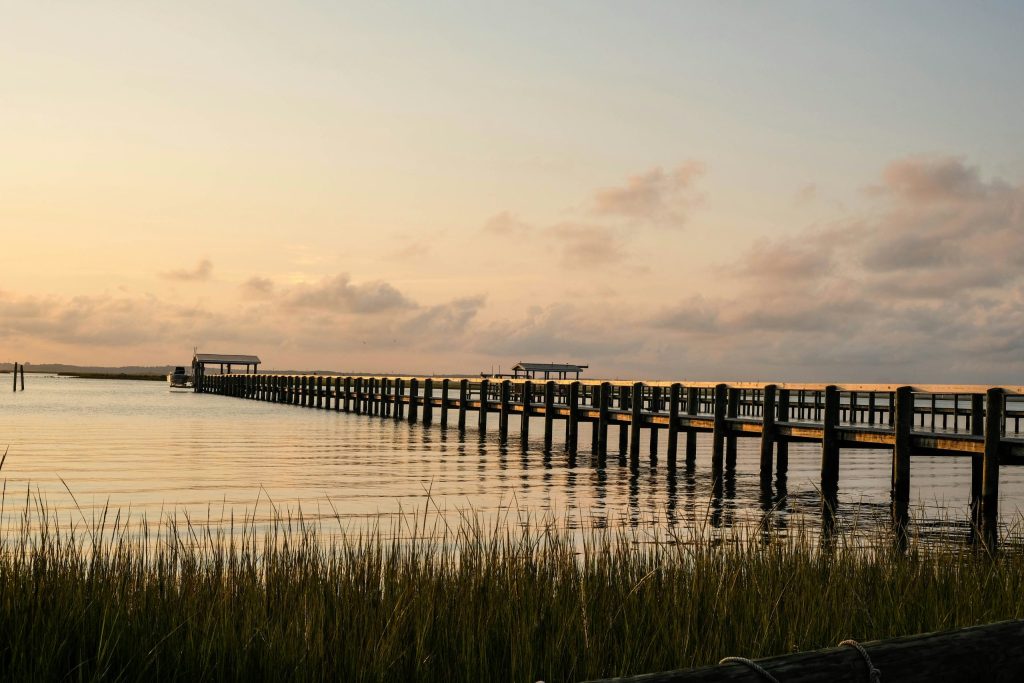
Find Virginia launch sites serving Chesapeake Bay tributaries, Smith Mountain Lake, Kerr Reservoir, and Shenandoah waters.
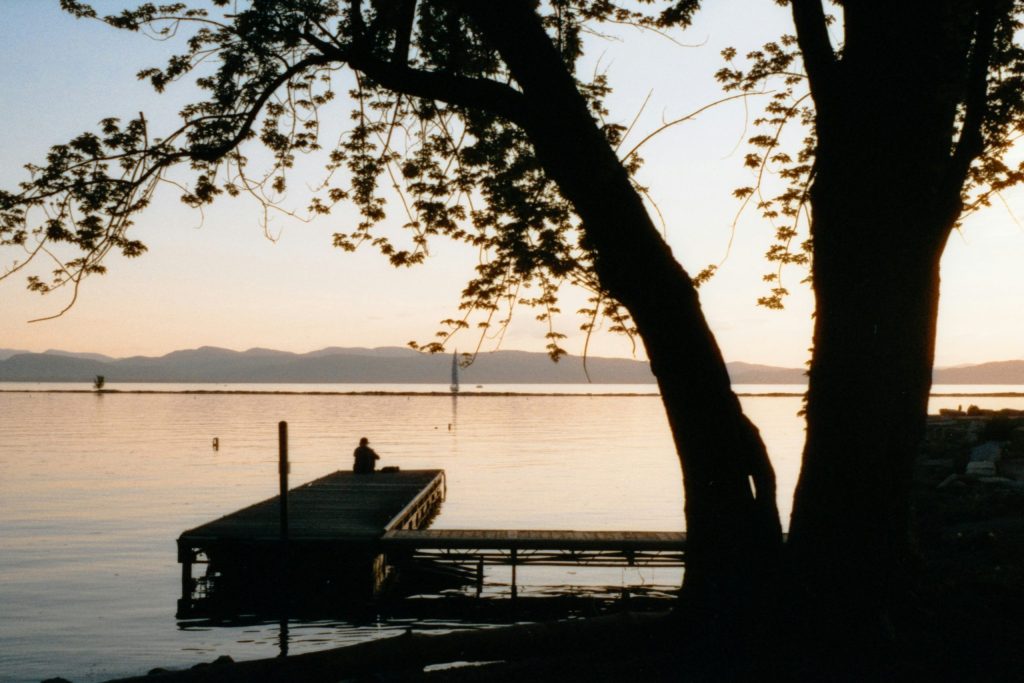
Compare Vermont boat launches on Lake Champlain, the Connecticut River, and smaller inland lakes.
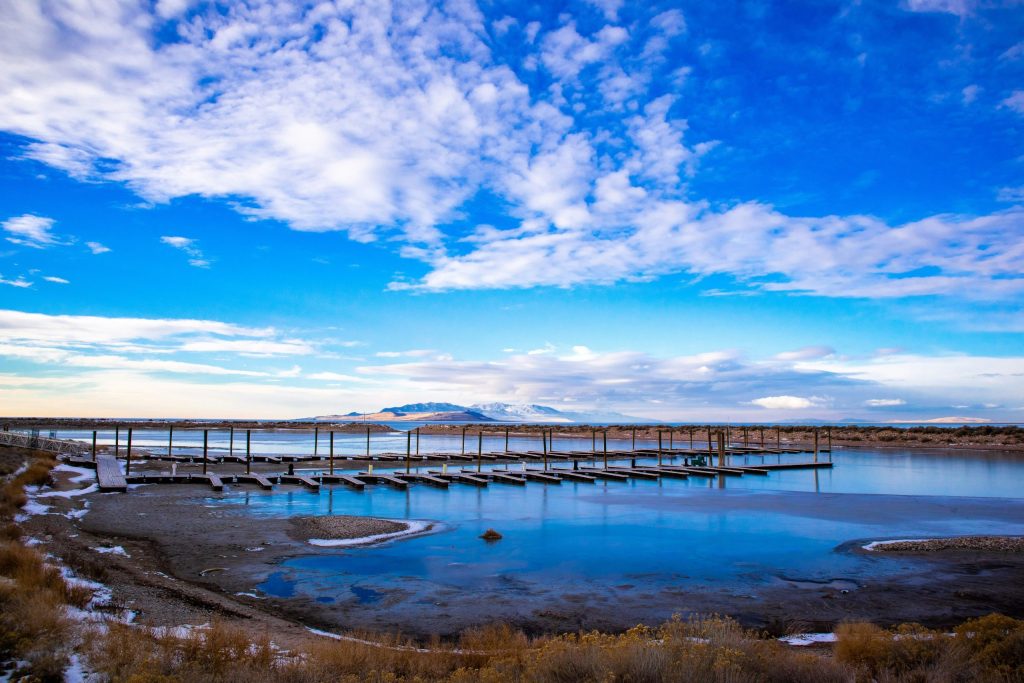
Plan Utah launches on Lake Powell, Bear Lake, Utah Lake, and desert reservoirs, including changing water levels.
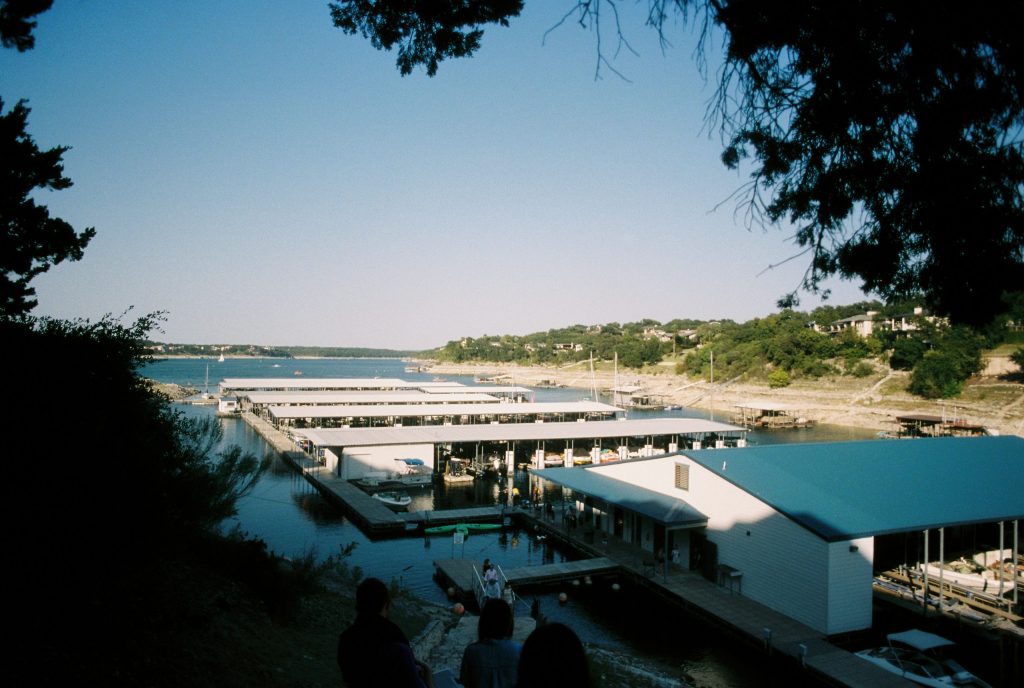
Find Texas boat ramps serving Gulf Coast bays, the Highland Lakes, Dallas–Fort Worth reservoirs, and major river systems.
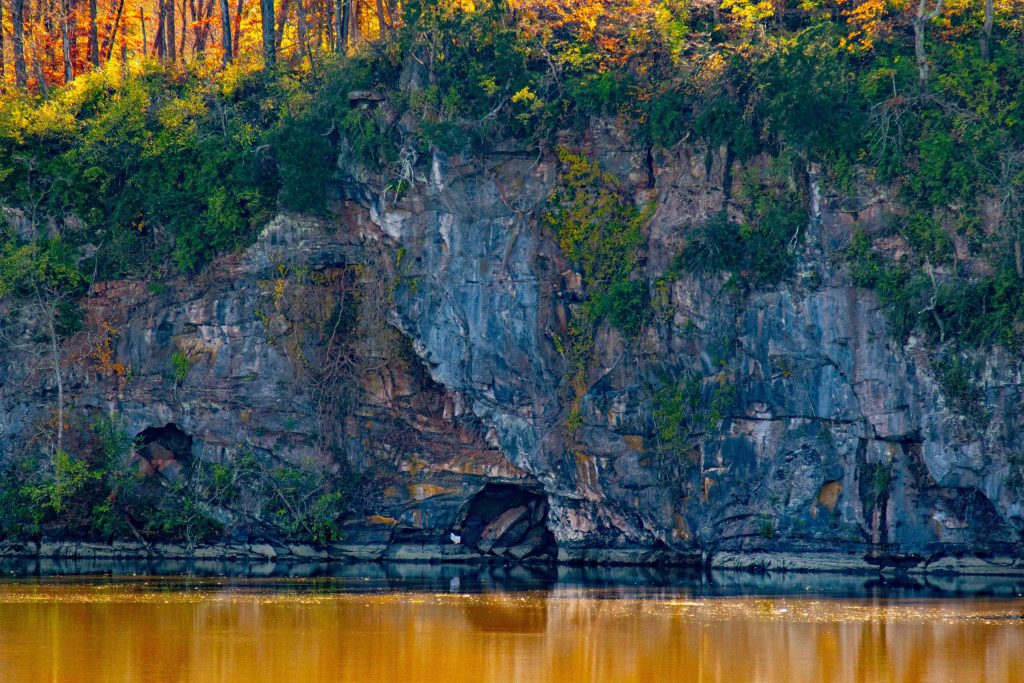
Compare Tennessee boat ramps on Chickamauga, Watts Bar, Kentucky Lake, and the Cumberland River system.
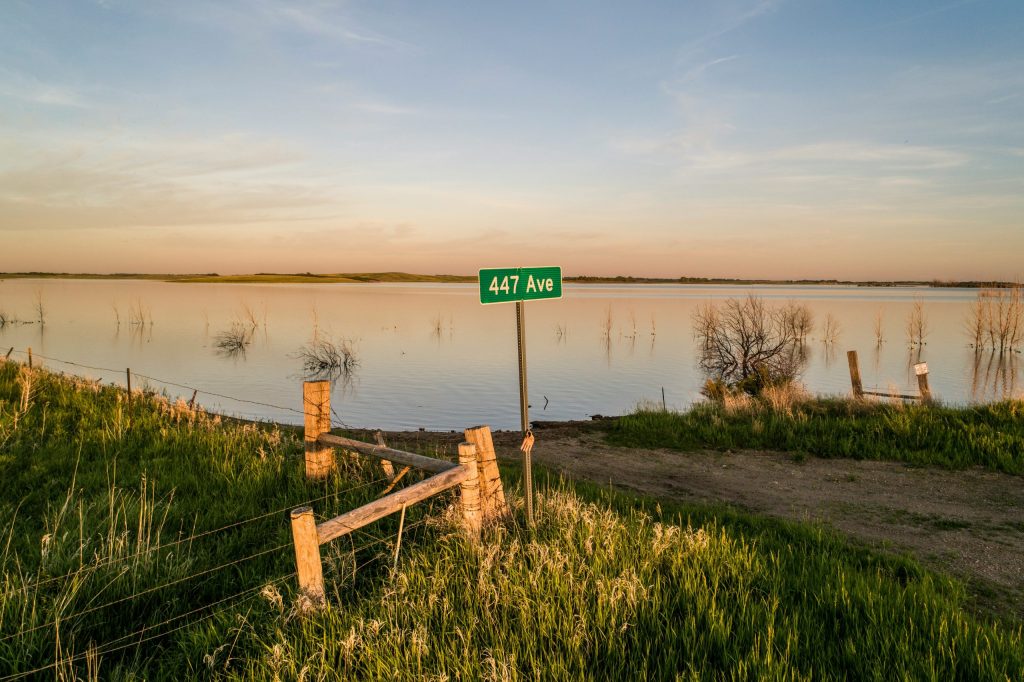
Find South Dakota launches along Lake Oahe, Lake Sharpe, Lake Francis Case, and northeastern glacial lakes.
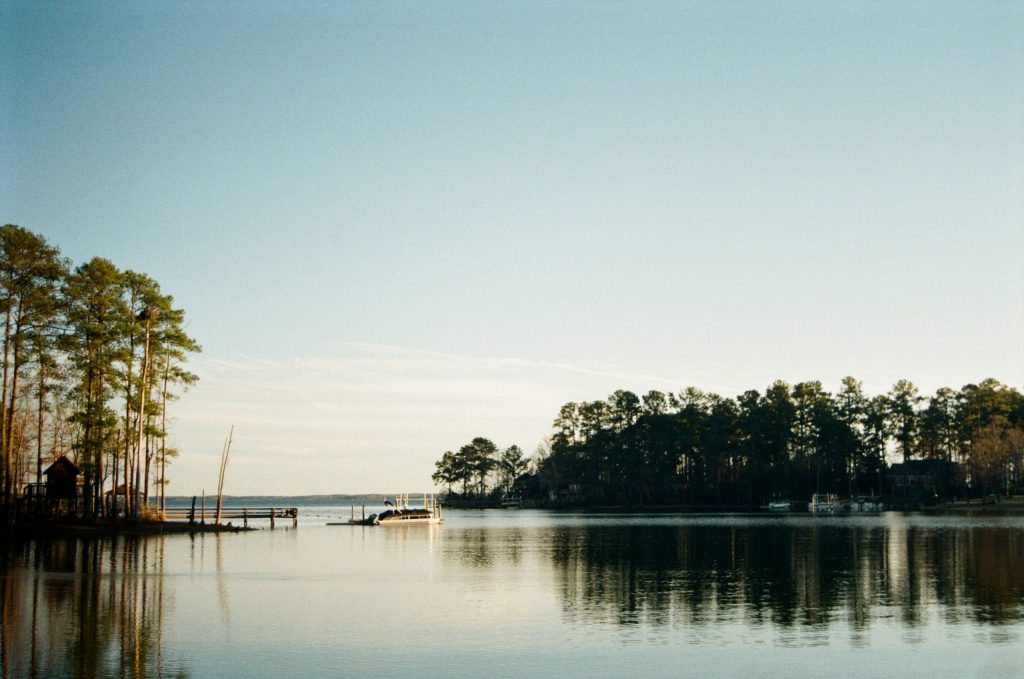
Plan South Carolina boat launches on the Santee Cooper lakes, Lake Murray, Winyah Bay, and coastal waterways.
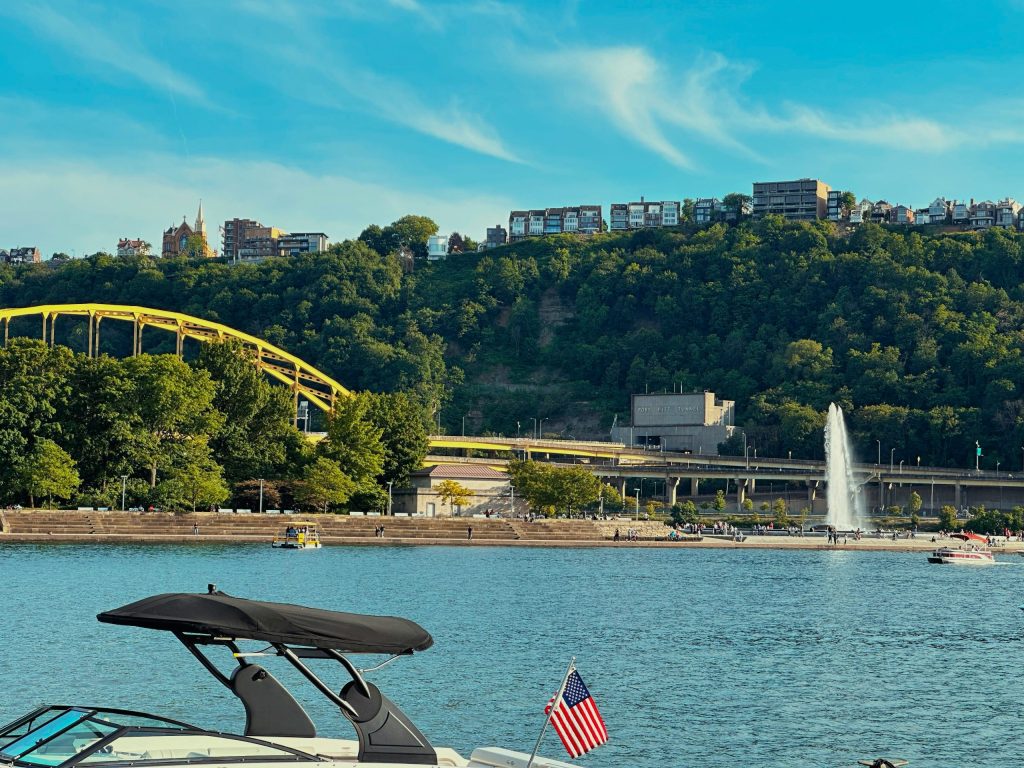
Find Rhode Island launches around Narragansett Bay, coastal salt ponds, and river access, with tide and parking tips.
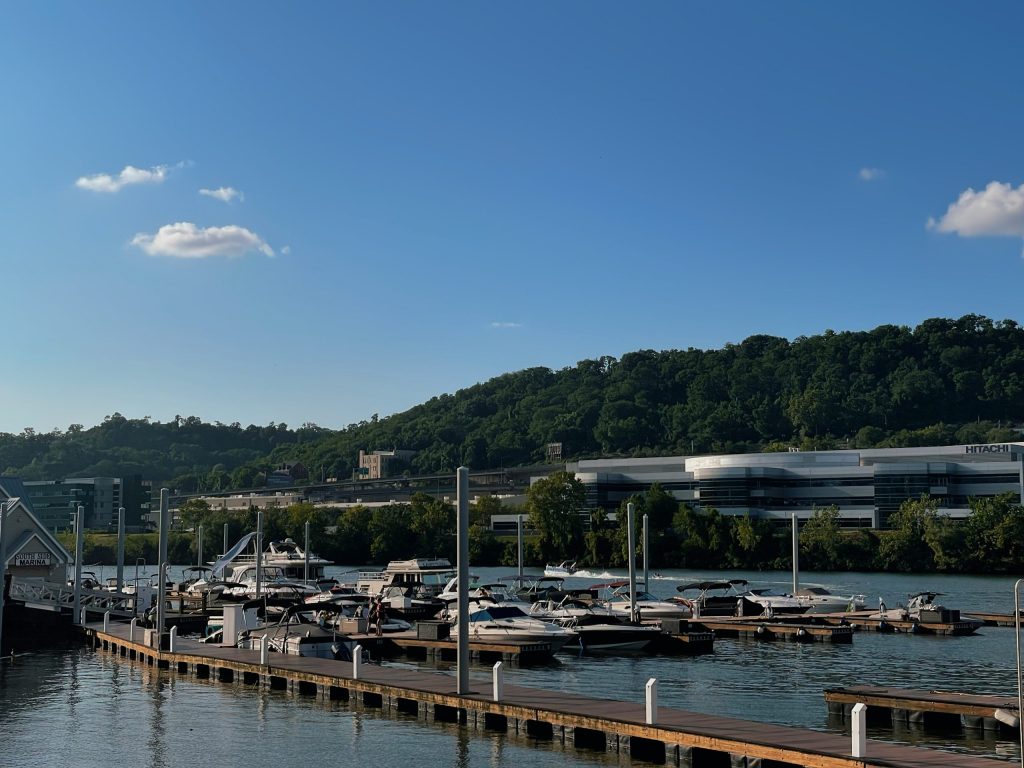
Compare Pennsylvania boat ramps serving Lake Erie, Pymatuning Reservoir, the Allegheny River, and inland waters.
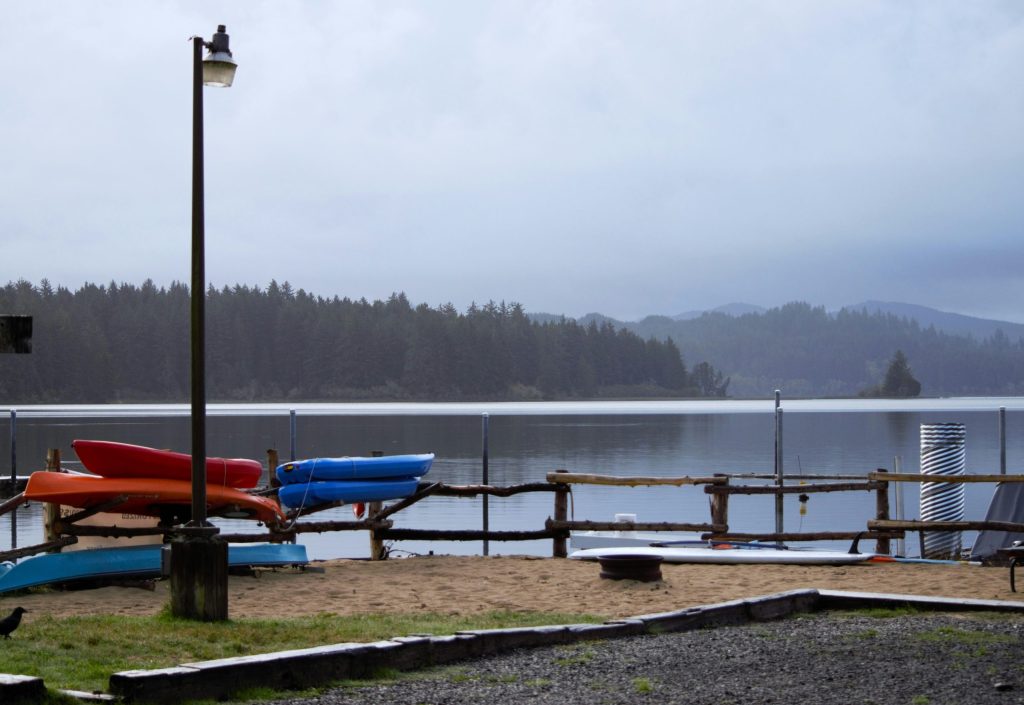
Plan Oregon boat launches on coastal estuaries, the Willamette and Umpqua rivers, and Cascade reservoirs.
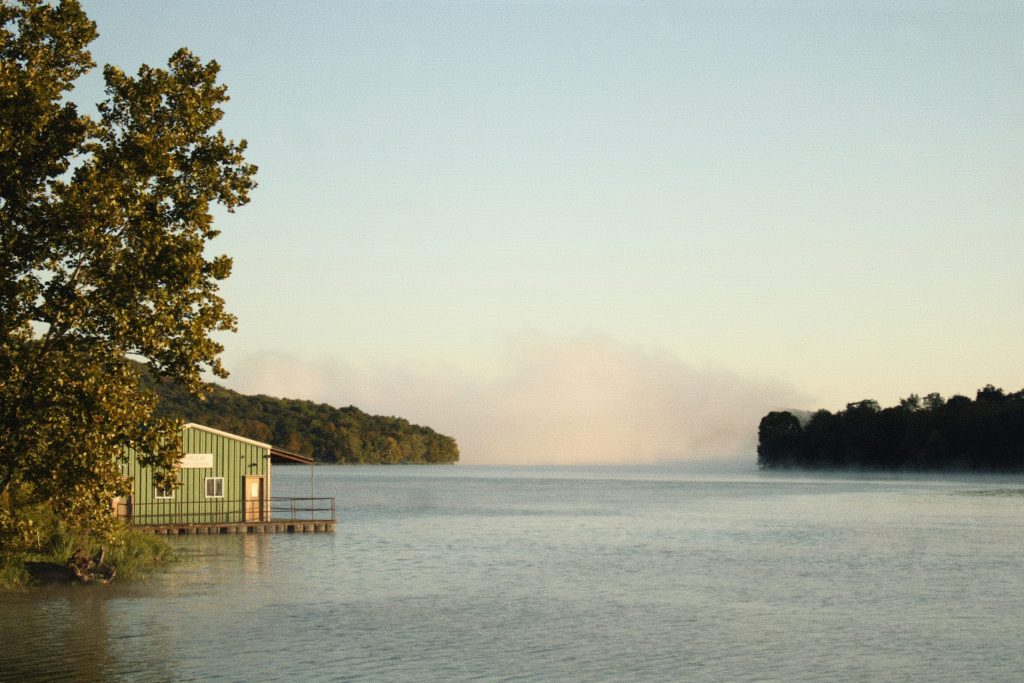
Find Oklahoma launches on Lake Eufaula, Lake Texoma, Grand Lake, and other lakes and rivers.
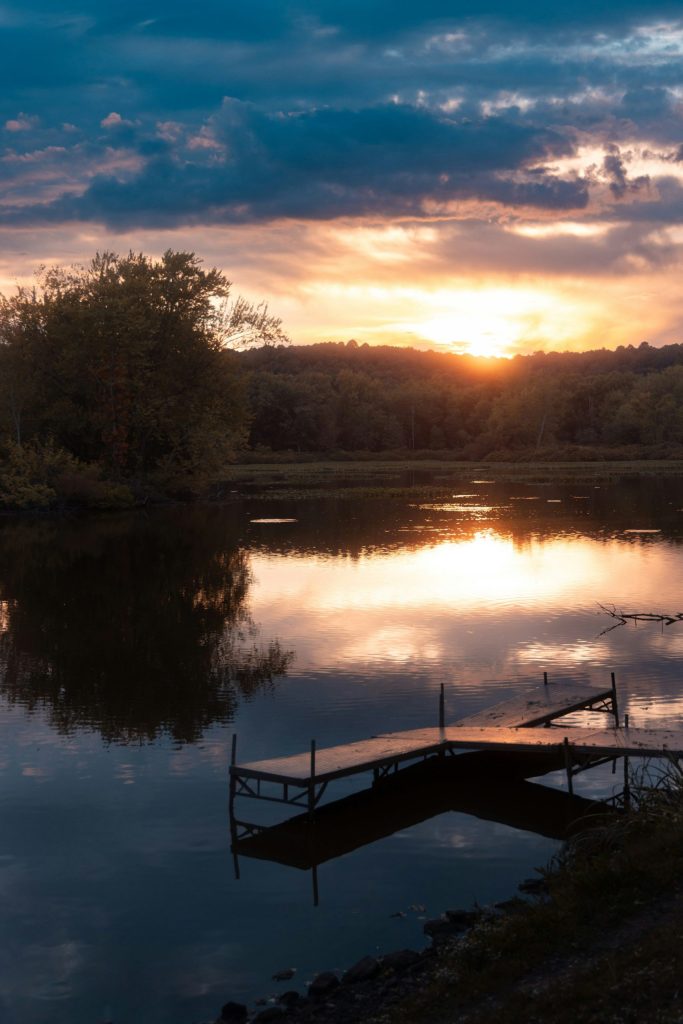
Compare Ohio boat ramps from Lake Erie and Sandusky Bay to the Ohio River and inland reservoirs.
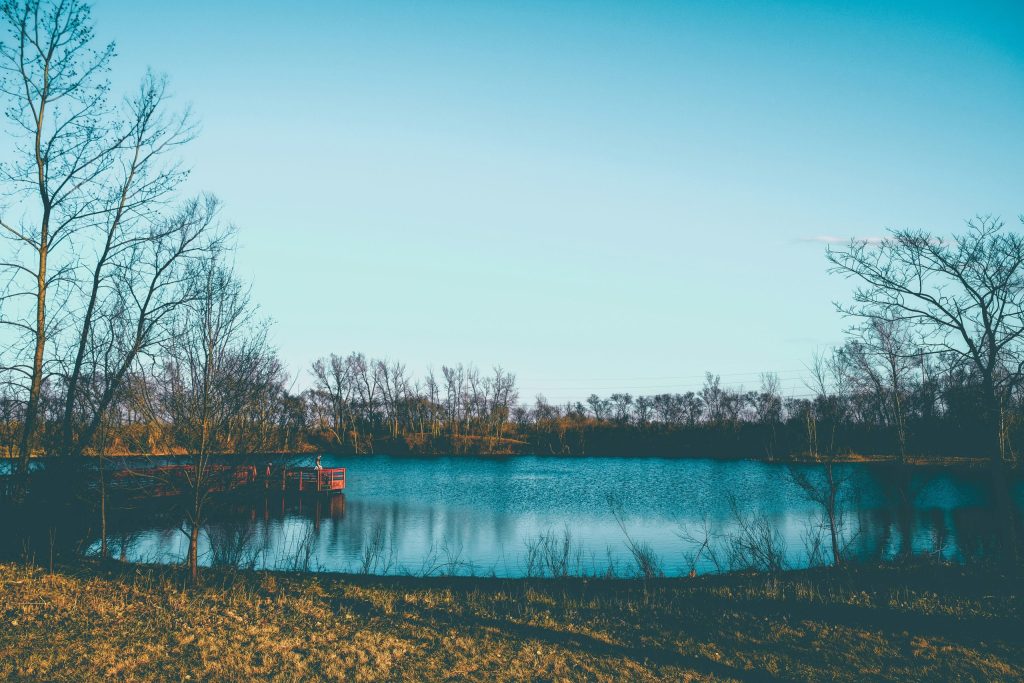
Plan North Dakota launches at Lake Sakakawea, Devils Lake, and Missouri River reservoirs, with seasonal water-level advice.
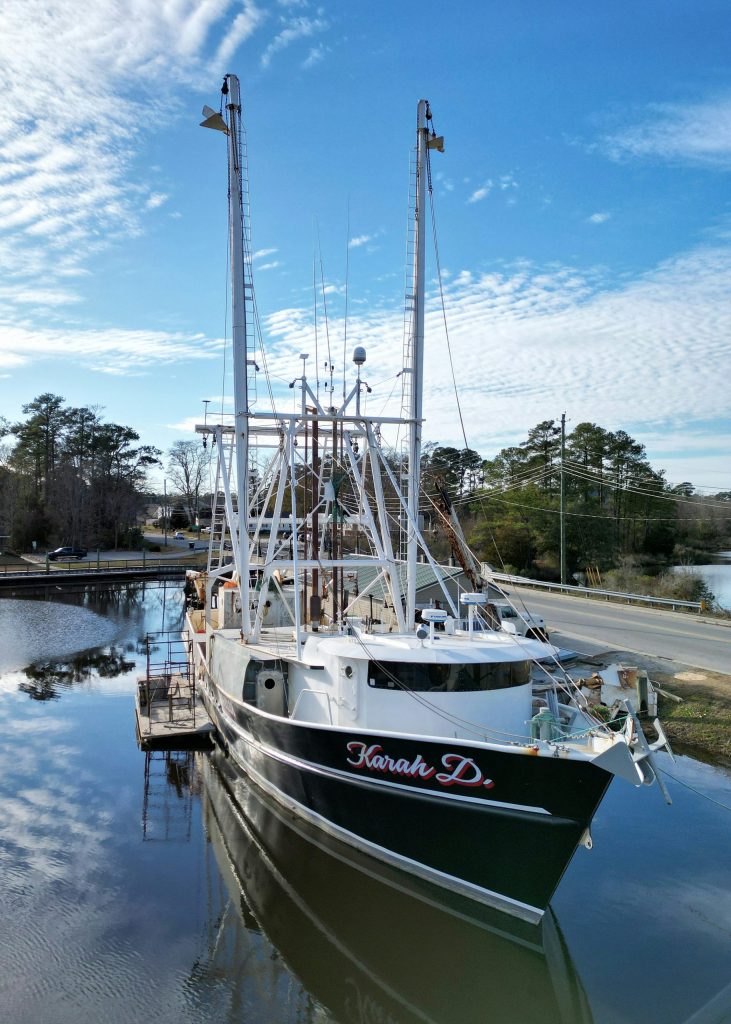
Find North Carolina launch sites on the coast, the Neuse and Cape Fear rivers, Piedmont reservoirs, and mountain lakes.
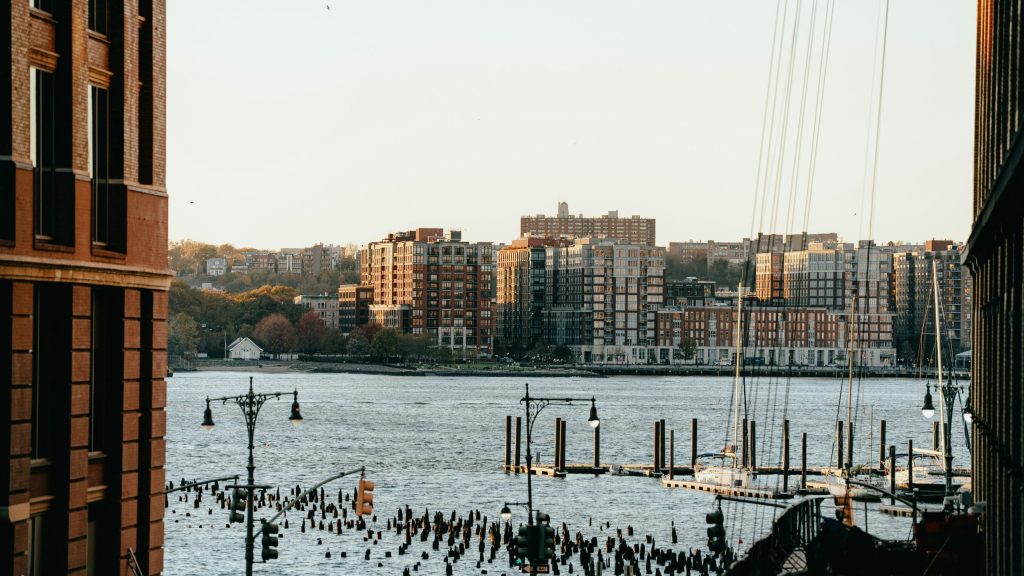
Find New York boat launches along Lake Ontario, the St. Lawrence River, the Adirondacks, and Finger Lakes.
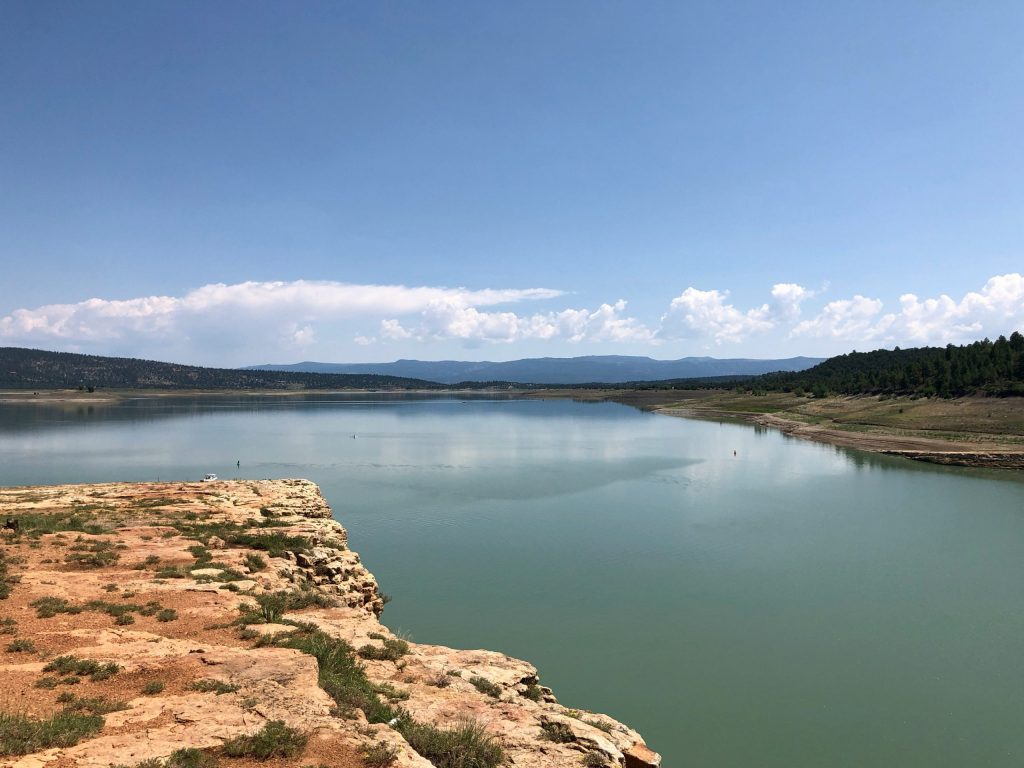
Compare New Mexico launch access at Navajo Lake, Abiquiu Reservoir, Cochiti Lake, and other desert waters.